oppo_0

Setting Up Fish Farms and Aquaculture Centres Across East and Central Africa

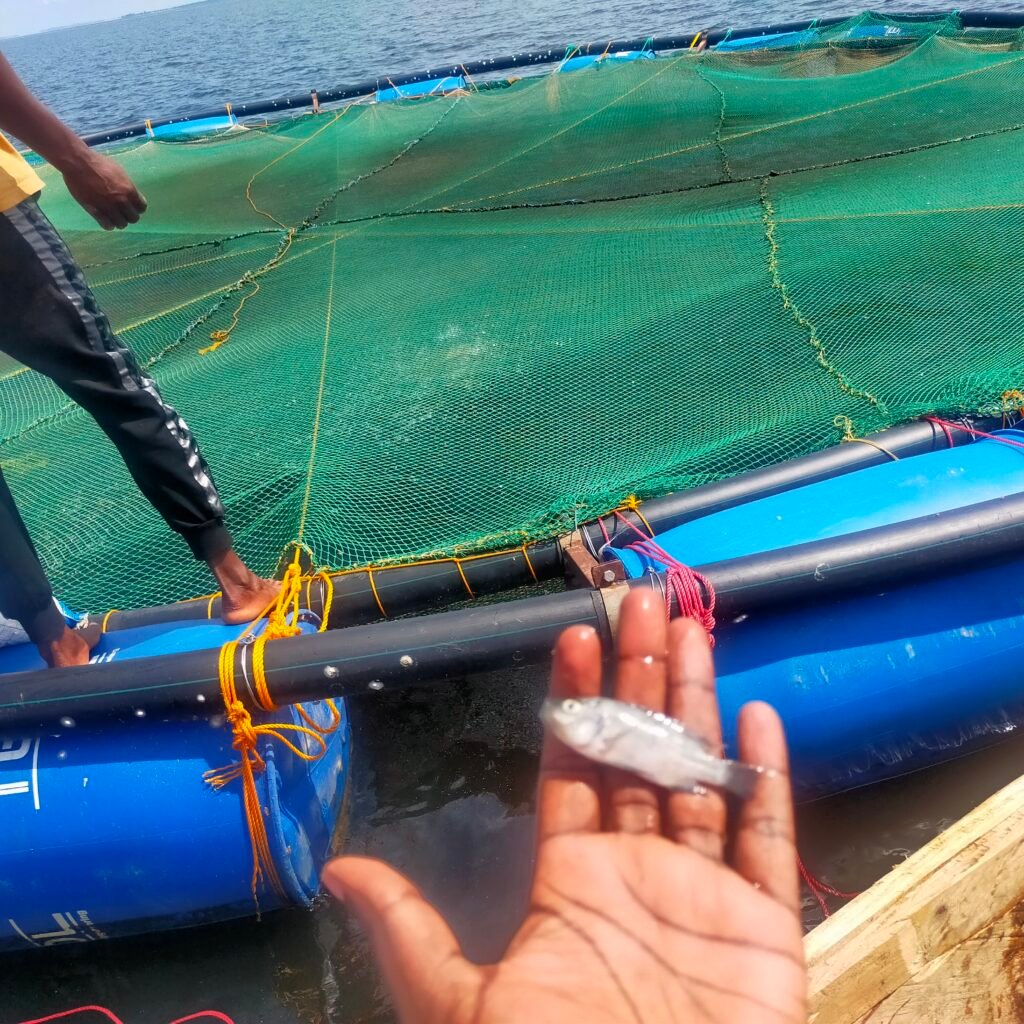
The demand for professionally managed fish farms in East and Central Africa is rising due to increasing population growth, urbanisation, and the need for sustainable protein sources. Nangaka Container Housing (U) Limited is currently developing a large-scale aquaculture expansion project aimed at establishing modern fish farms and aquaculture centres across Uganda, Rwanda, South Sudan, and the Democratic Republic of Congo.

This project combines infrastructure engineering, modular construction, water management systems, and cold chain logistics to create fully operational aquaculture facilities designed for commercial-scale production.

Project Overview: Regional Aquaculture Development Initiative

The ongoing initiative focuses on the design and construction of integrated fish farms in East and Central Africa that include:

• Hatchery and fingerling production units
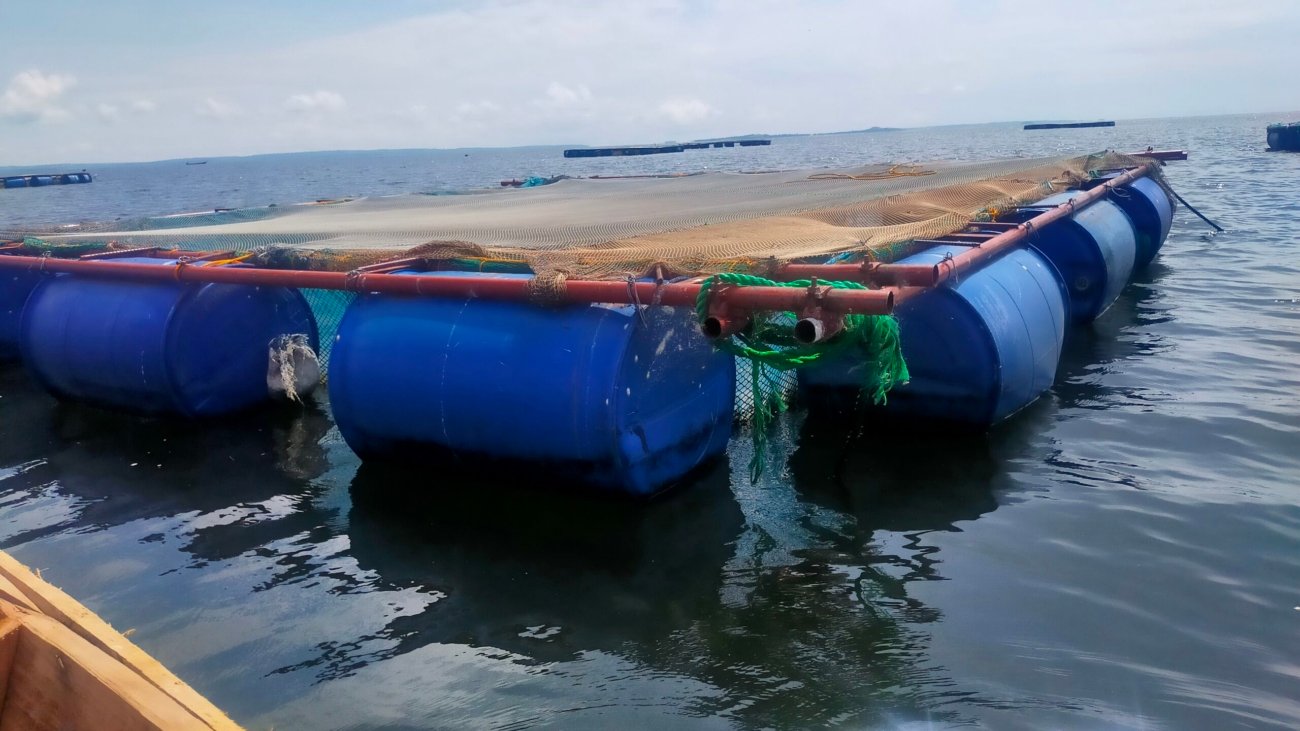
• Grow-out ponds and tank systems
• Water filtration and recirculation systems
• Cold storage and processing facilities
• Solar-powered pumping systems
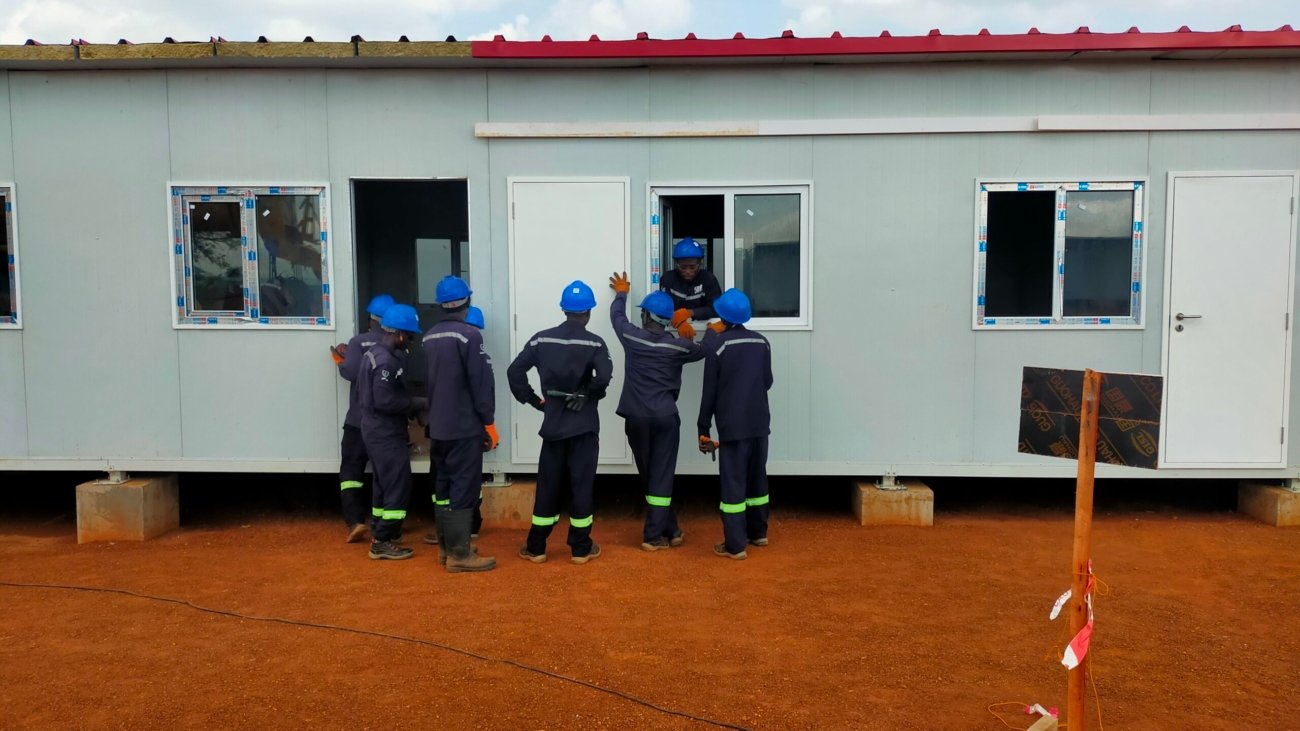
• Container-based administrative and staff housing units
• Perimeter fencing and site security

By leveraging modular container infrastructure and civil works expertise, the company ensures rapid deployment even in remote agricultural zones.

Why Fish Farms in East and Central Africa Present Major Opportunity
oppo_0

East and Central Africa have strong natural water resources, expanding regional markets, and growing demand for tilapia and catfish. However, many existing operations lack structured infrastructure, efficient water systems, and reliable post-harvest handling.

The establishment of structured fish farms in East and Central Africa addresses several critical gaps:

Food Security
Aquaculture provides a reliable, scalable protein source to support regional food systems.

Employment Creation
Commercial fish farms create jobs in farming, processing, transportation, and retail distribution.

Export Potential
With proper cold chain infrastructure, aquaculture products can access regional and international markets.

Sustainable Agriculture
Modern water recirculation and waste management systems reduce environmental impact while increasing yield efficiency.

Turnkey Aquaculture Infrastructure

Nangaka Container Housing delivers fish farms in East and Central Africa using a turnkey approach that integrates construction, utilities, and operational systems.

  1. Site Assessment and Design
    Each location undergoes feasibility assessment including soil analysis, water availability studies, and environmental impact evaluation.
  2. Civil Works and Pond Construction
    The company executes earthworks, pond lining, drainage systems, and reinforced foundations for tank installations.
  3. Water Management Systems
    Installation of reticulation systems, filtration units, and water recycling infrastructure ensures optimal oxygenation and growth conditions.
  4. Cold Chain and Processing Facilities
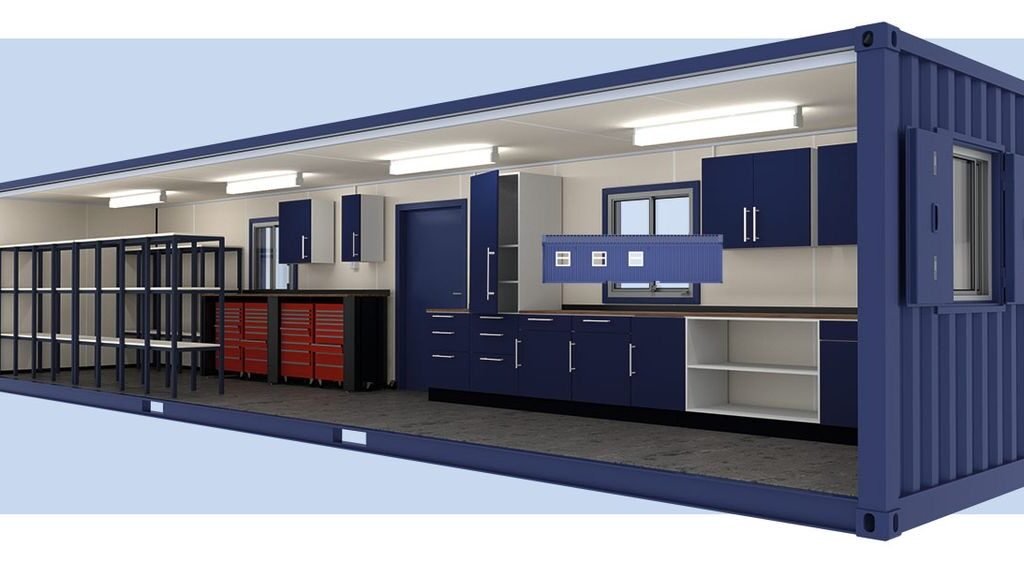
    Container-converted units are used to create modular processing rooms, cold storage chambers, and packaging stations. This reduces post-harvest losses and preserves product quality.
  5. Energy Solutions
    Solar water pumps and energy-efficient electrical systems reduce operational costs, especially in off-grid rural regions.

Modular Infrastructure Advantage

A key differentiator in this project is the use of container-based infrastructure for:

• On-site staff accommodation
• Administrative offices
• Laboratory and water testing units
• Equipment storage facilities

This approach accelerates deployment timelines while maintaining structural durability. Container solutions are particularly effective for fish farms in East and Central Africa where rural terrain and limited infrastructure can delay conventional construction.

Target Countries and Strategic Expansion

The current rollout strategy includes:

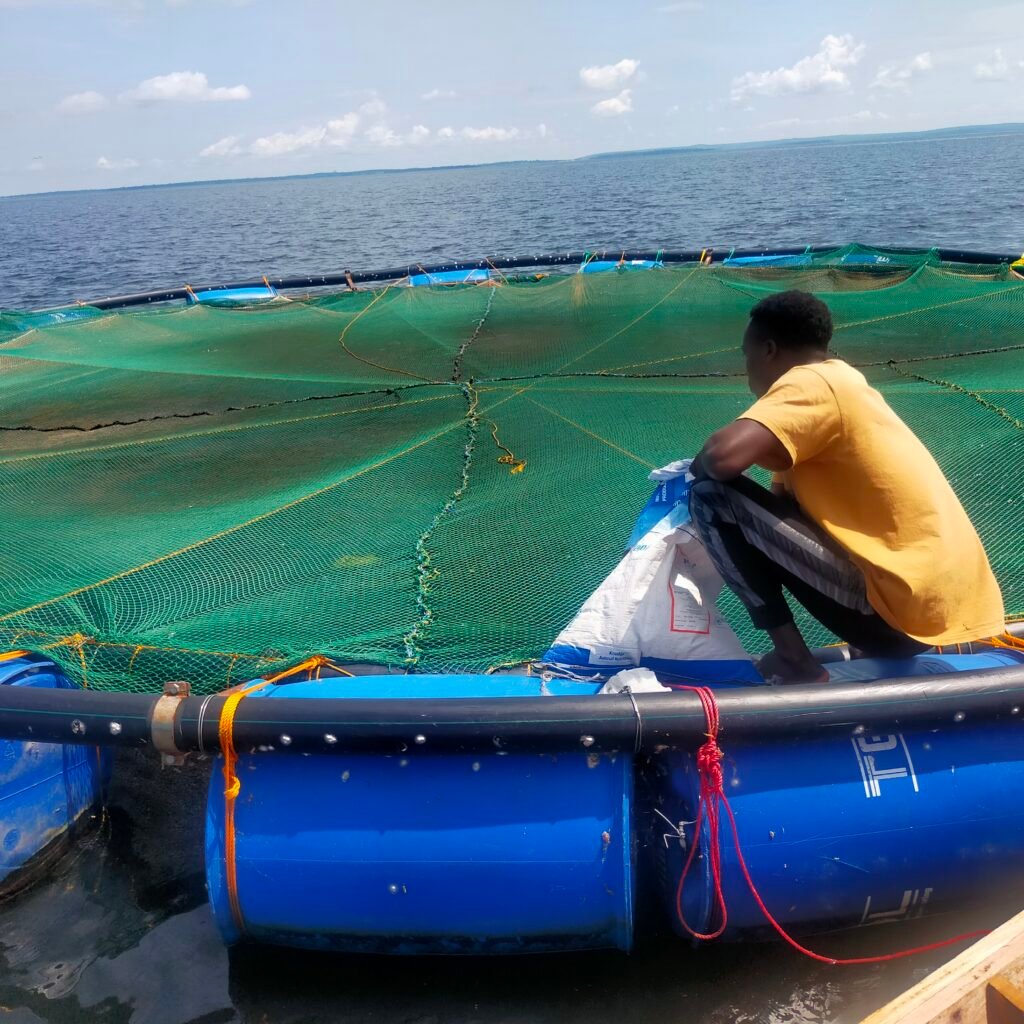
Uganda – Expansion of commercial tilapia farms near Lake Kyoga and Lake Victoria.
Rwanda – Development of structured aquaculture centres supporting local cooperatives.
South Sudan – Deployment of modular fish farming infrastructure in emerging agricultural zones.
DRC – Establishment of cold chain-supported aquaculture production hubs.

By operating across borders, Nangaka Container Housing strengthens regional food supply chains while creating scalable investment-ready projects.
oppo_0

Compliance and Operational Standards

All fish farms in East and Central Africa under this initiative are being developed with attention to:

• Environmental sustainability
• Wastewater management
• Biosecurity controls
• Quality assurance protocols
• Occupational health and safety standards

This ensures long-term viability and alignment with agricultural regulatory frameworks.

Long-Term Impact

This aquaculture initiative is not a short-term pilot. It is part of a broader regional strategy to position Nangaka Container Housing as a leading infrastructure partner in agribusiness development. By combining engineering, logistics, modular construction, and site management, the company is building a scalable network of fish farms in East and Central Africa capable of supporting food security and commercial growth.

Conclusion

Fish farms in East and Central Africa represent one of the most strategic agricultural investments of the decade. With structured infrastructure, modern water systems, and integrated cold chain facilities, Nangaka Container Housing is actively transforming aquaculture into a sustainable and commercially viable sector across the region.
1771400633421

Container Facilities for Oil and Gas Projects in Uganda: EACOP Pump Station One Development

The East African Crude Oil Pipeline (EACOP) is one of the largest infrastructure developments currently underway in the region. Major oil and gas projects require highly specialized support infrastructure capable of operating in remote and technically demanding environments. Nangaka Container Housing (U) Limited is currently engaged in the development of container facilities for oil and gas projects in Uganda, specifically supporting Pump Station One under the EACOP framework.

This project focuses on modular, high-performance container-based infrastructure designed to meet industrial-grade standards for safety, durability, and operational efficiency.

Project Overview: Pump Station One Support Facilities

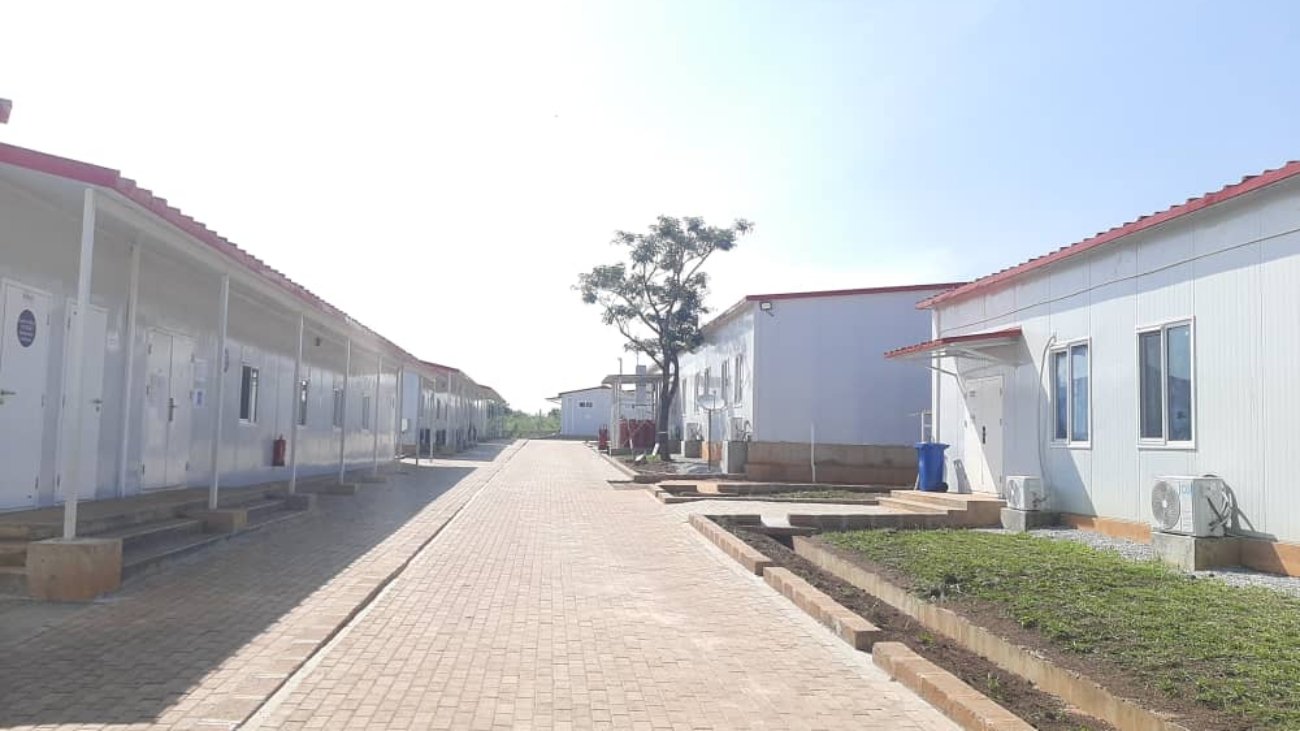
Pump Station One forms a critical component of the crude oil transportation system. To support ongoing construction and operational activities, Nangaka Container Housing is delivering a suite of containerized facilities engineered for workforce accommodation and operational support.

The scope of works includes:

• Modular office containers for site administration
• Control room-ready container units
• Workforce accommodation blocks
• Containerized dining and catering facilities
• Sanitation and shower units
• Power distribution and electrical reticulation systems
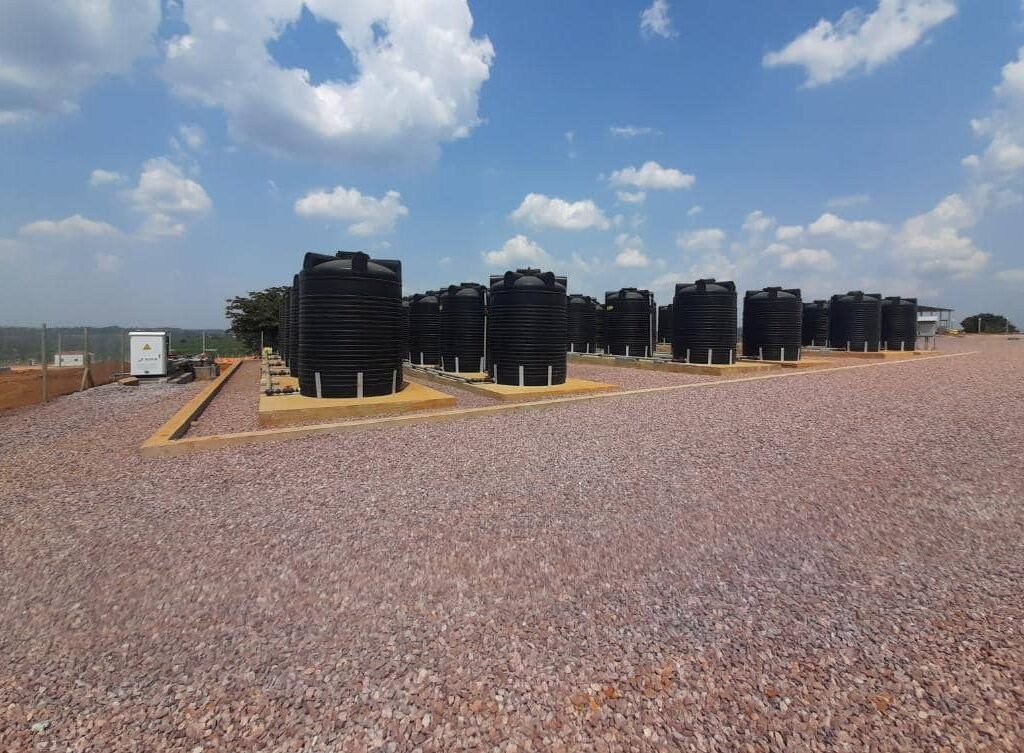
• Water storage and plumbing systems
• Secure perimeter fencing and access control structures

All units are being fabricated and modified to withstand high operational demand and environmental exposure.

Why Container Facilities for Oil and Gas Projects in Uganda Are Essential

Oil and gas environments impose strict technical and safety requirements. Containerized infrastructure offers measurable advantages:

Speed of Deployment

Large energy projects operate on fixed timelines. Container facilities are prefabricated and modified off-site, reducing construction delays and accelerating readiness.

Compliance with Industrial Standards

Container structures can be reinforced and insulated to accommodate electrical systems, communication infrastructure, and safety installations required in oil and gas zones.

Operational Flexibility

As pipeline construction progresses, infrastructure needs evolve. Modular container facilities can be relocated or expanded without dismantling permanent structures.

Durability in Harsh Conditions

Shipping containers are designed for heavy-duty transport and extreme weather conditions. When engineered for industrial use, they provide a reliable solution for remote oil field environments.

Engineering and Technical Scope

For Pump Station One, Nangaka Container Housing is executing a structured turnkey delivery model, including:

• Site planning and modular layout design
• Structural reinforcement and container modification
• Internal insulation and partitioning
• Civil foundation works
• Electrical wiring and distribution systems
• Plumbing and waste management systems
• Mechanical preparation for HVAC installation
• Safety compliance integration

Each container facility is designed to integrate seamlessly into the broader engineering framework of the pipeline project.

Strategic Role in the EACOP Infrastructure

Container facilities for oil and gas projects in Uganda play a crucial support role in:

• Construction workforce management
• Site administration
• Equipment monitoring operations
• Maintenance team accommodation
• Temporary operational command units

By providing modular infrastructure solutions, Nangaka Container Housing ensures that energy sector projects maintain productivity while adhering to strict safety and operational standards.

Sustainability and Efficiency

The Pump Station One facilities incorporate:

• Energy-efficient lighting systems
• Water-saving plumbing fixtures
• Durable interior finishes for reduced maintenance
• Scalable design for phased expansion

This approach reduces long-term operational costs while maintaining high-performance standards.

Conclusion

Container facilities for oil and gas projects in Uganda are integral to the successful delivery of large-scale energy infrastructure. Through its work on the EACOP Pump Station One development, Nangaka Container Housing reinforces its capacity to deliver industrial-grade modular solutions engineered for durability, compliance, and operational efficiency.

As Uganda’s oil and gas sector continues to expand, containerized infrastructure will remain a strategic asset in supporting complex, high-value energy projects.

oppo_0

Container Houses in Uganda: A New Era of Modular Workforce Accommodation

The demand for container houses in Uganda has increased significantly over the past five years. Rapid industrial growth in oil and gas, renewable energy, mining, and infrastructure development has created the need for reliable, scalable, and fast-deployment accommodation solutions. Nangaka Container Housing (U) Limited is responding to this demand with a new Modular Workforce Housing Project in Hoima District.

Project Overview: Hoima Modular Container Village

This upcoming development will deliver a fully integrated container-based workforce village designed to accommodate over 150 personnel. Strategically located near ongoing energy and infrastructure developments, the project will provide secure, comfortable, and fully serviced living facilities built entirely from converted shipping containers.

The project will include:

• Executive container housing units
• Standard dormitory-style container rooms
• Dining and kitchen facilities
• Laundry and housekeeping blocks
• Solar-powered water heating systems
• Waste management and reticulation systems
• Security fencing and access control

Why Container Houses in Uganda Are the Future

Container houses in Uganda offer distinct technical and economic advantages compared to conventional construction methods.

  1. Rapid Deployment
    Container units are fabricated off-site and installed quickly. This significantly reduces project timelines, especially in remote areas where traditional construction can be delayed by logistics and weather conditions.
  2. Cost Efficiency
    Modular container structures reduce material waste, labour costs, and construction overheads. For workforce camps and institutional housing, this translates into measurable capital savings.
  3. Structural Durability
    Shipping containers are designed for extreme maritime conditions. When properly engineered and insulated, they provide robust, long-lasting accommodation suitable for Uganda’s varied climate zones.
  4. Scalability
    Container houses in Uganda can be expanded modularly. Additional units can be added as workforce demand increases, allowing clients to scale operations without full reconstruction.
  5. Sustainability
    Recycling shipping containers reduces environmental impact. The Hoima project incorporates solar water heating and energy-efficient electrical systems to further improve sustainability metrics.

Engineering Standards and Turnkey Delivery

Nangaka Container Housing provides a full turnkey solution for container houses in Uganda. The Hoima Modular Village will be delivered through an integrated process including:

• Site assessment and camp design
• Civil works and foundation installation
• Electrical and plumbing systems
• Sewage and water reticulation systems
• Equipment supply and installation
• Camp management and facility maintenance

This approach ensures operational readiness from day one.

Target Sectors for Container Housing

The Hoima project is structured to support:

• Oil and gas operations
• Renewable energy installations
• Mining exploration teams
• Engineering and infrastructure contractors
• Large-scale agricultural investments

As Uganda’s industrial footprint expands, container houses in Uganda will continue to provide flexible accommodation solutions that align with project timelines and budget constraints.

Long-Term Vision

This upcoming Hoima development is part of a broader expansion strategy to position Nangaka Container Housing as a leading provider of container houses in Uganda and the wider East African region. By combining engineering expertise, regional experience, and operational management capabilities, the company continues to deliver infrastructure solutions designed for performance and longevity.

Conclusion

Container houses in Uganda are no longer temporary alternatives; they are strategic infrastructure assets. With the launch of the Hoima Modular Workforce Housing Project, Nangaka Container Housing reinforces its commitment to delivering modern, durable, and scalable accommodation solutions across the region.